






7 Steps to Creating a Routine for Success

Use these seven simple steps to prepare for success
Let's face it, without routines, we wouldn’t get much done. If you look around, there are many people whose lives demonstrate what happens without routines.
It’s crucial to stop spinning your wheels and wasting your efforts trying to power through habits of a lifetime. With a few preparatory steps, your potential for success radically increases. Let's start by first considering the things that are already part of your routines.
1. What’s Already a Routine in Your Life?
Eating is one of the most common routines. Most people eat three times a day, breakfast/lunch/dinner. Those with unstable blood sugar may also snack quite a bit between those times, but let’s stick with eating three times a day as an example.
Most people also brush their teeth in the morning and before bed. And, if you work, you have a routine around getting ready for work.
The same thing applies if you have children because you have to help them get ready for school and catch the bus, or drive them there. Even if your kids are grown, you still can remember this example.
You get dressed in the morning and undressed in the evening. All of these things happen because they’re part of your daily routines.
We make routines around essential activities so we are fairly consistent about accomplishing those things.
The question then really is what we consider essential, isn’t it?
Also worth considering is whether you work best with a schedule or a checklist. Some people love having a daily task list, as it can bring a feeling of accomplishment to check off finished items. Others work better with a schedule, so they can see what to do based on what time it is. Which one are you?
2. Identify What You Consider Essential
We’ve identified that your existing routines are there so you can accomplish the essentials in your life. Now, what else will you consider essential? Consider this list:
- Shopping for your Revero groceries
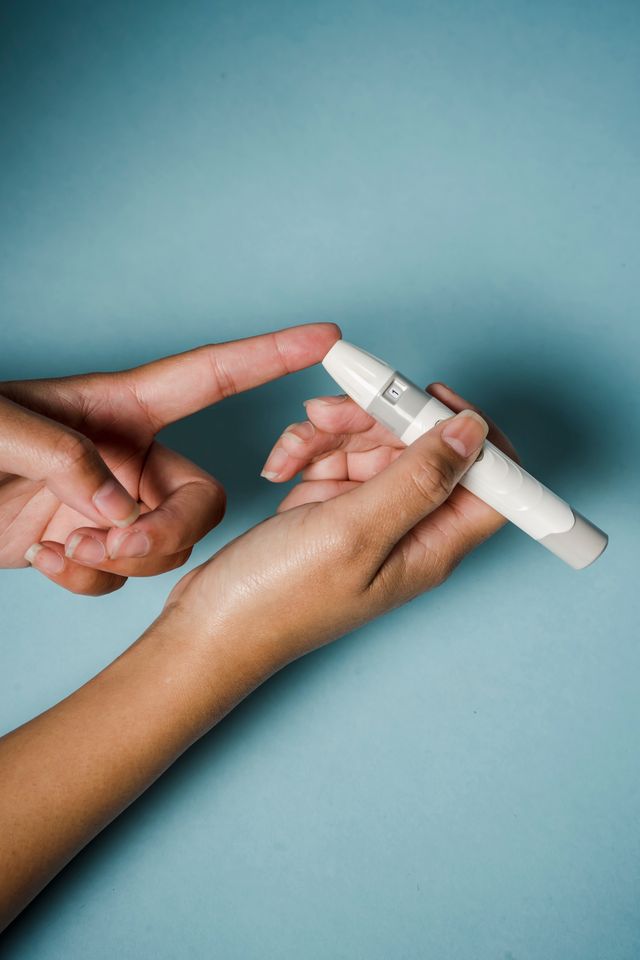
- If you’re a type 2 diabetic, checking your blood glucose
- Testing your ketones at least once a day
- Weighing yourself every week
- Journaling and practicing your mindfulness or gratitude in the morning
- Preparing your lunch before you leave for work, so you don’t get caught out and eat something you shouldn’t
- Cooking some bigger batches of food on Sundays, so that you don’t have to cook every single meal every day
- Messaging your health coach with updates
All of these are useful or essential tasks to succeeding at your health goals with Revero. Think about these, and see what other tasks you could consider essential!
3. De-Emphasize Routines That Detract From Goals
Now that you’ve identified essential activities to create routines for, let’s look at current routines that aren’t helping you meet your goals. They might make it harder because they directly conflict with your goals or simply waste valuable time. We’ll share some examples here:
- Do you spend the last two hours of your day watching Netflix or a similar streaming service, then realize that you need to sleep more?
- Do you spend the first hour of your day scrolling through the doom and gloom of social media, and you’re having trouble finding time for gratitude practice, checking biomarkers, or doing a little exercise?
- Have you developed a habit of going into the convenience store after purchasing fuel, and getting a snack or fountain drink? But you’re trying to keep your carbs under 30 grams?
- How much time do you spend every day just surfing the Internet randomly? Are you time-limited in other ways, like prepping food, shopping for good food, or something similar?
You can see that all of us have some version of these things going on in our lives. List your own “time-sucks” or activities that are counterproductive to your current health goals. Work at de-emphasizing these from your time.
We all have 86,400 seconds in each day, to divide up between our activities. You never get any of that back, and it doesn’t carry over to the next day, either. Consider taking an unproductive activity, like scrolling through Twitter over coffee in the morning, and applying a realistic time budget to the activity. Allow yourself 15 minutes, instead of an hour.
After you get used to that, you’ll still enjoy it just as much-but you’ve freed up 45 minutes, every day, to do something more productive!
4. Group New Tasks With Existing Routines
You already have some consistent routines, so one of the best ways to start some other essential activities accomplished is to tag them onto an existing routine. You brush your teeth, put your makeup on, or shave in the morning? Great, weigh yourself and check your ketones (before brushing your teeth) and blood glucose.
Do you always eat lunch? Great, take a walk afterward. Do you visit friends or go to church on Sunday? Super–-get your grocery shopping done on the way home.
Adding to existing routines is very easy and can make your life much more productive!
5. Find Accountability and Support
Change is challenging. When you hit a rough spot in your journey, it helps to have a cheerleader in your corner. You need people who understand the reason you want to make a change and support your actions. These are people you can call on when you're not sure how to take the next step.
You have support with Revero, including your coach, recipes, and meal plans. These are important features of the Revero Method that increase your potential for success.
6. Include Personal Time
Is there something that you really love to do, and it isn’t counterproductive to your health goals? Maybe it’s a bowling night, your archery club practice or a book club meeting you attend each week. Go ahead and schedule that too, and make it a routine! This is about you, so it’s ok to schedule yourself into your own life.
7. Give Yourself Grace
Finally, it's important to give yourself grace. It has sometimes been said, in one way or another, that success is the result of trying and repeatedly failing, until you don’t.
A person who is trying to quit smoking may feel like a failure if they give in and smoke a cigarette after one or two days. But they haven't failed until they stopped trying to quit.
A bad meal, skipped workout, or staying up too late on the weekend is not a reason to stop trying. We all fall and fail once in a while. Truly successful people understand that the faster they fail, the faster they succeed. The question isn't “Will you mess up?”; the question is, “What will you do when you mess up?”
One of the problems with self-condemnation is that it can lead to self-sabotage. If you degrade your self-image enough, it can seem unremarkable to allow yourself to fail. If a day is partly ruined, and you tell yourself that you feel like “a loser,” what will get you back on track to do better next time?
Successfully building new routines is also a matter of repetition. Work at it long enough, fail enough times, and you will surely succeed.
When that happens, remember the support and encouragement you get from your Revero family as you continue this journey to better health.
Start making real progress

Related
.png)
Tips for Getting Started With Revero
Testing Your Blood Glucose