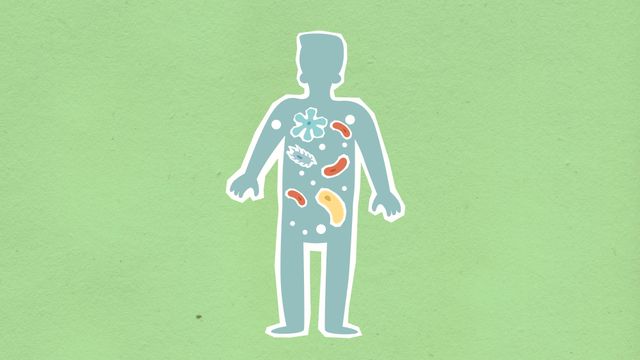






How Digestion, Gut Health, and Autoimmunity Are Tied Together
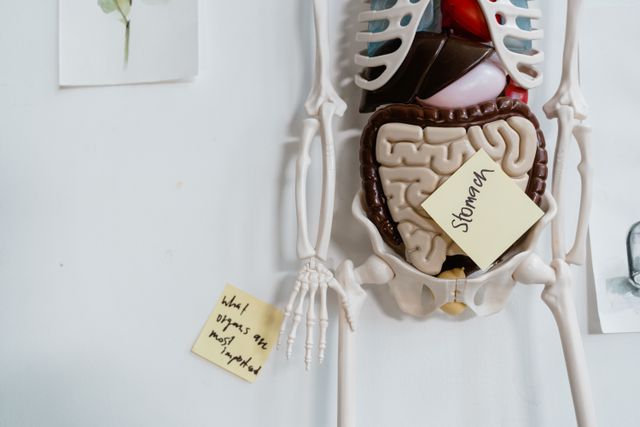
Much of the immune system lives around the gut, and it matters
The human digestive tract has long spurred speculation and competing theories about whether humans are uniquely suited to digest predominantly meat or plant matter. The expensive tissue hypothesis, first outlined in 1995 by Leslie C. Aiello and Peter Wheeler, offers a significant clue: a uniquely lopsided ratio of gut to brain size in humans.
The theory postulates that the massive energy requirement of humans’ unusually large brains led to a compensatory downsizing of other organs and tissues. This appears to be the turning point for humans’ primate ancestors, as the reduction in gut size and increase in brain size allowed humans to develop advanced hunting and foraging techniques to secure the food that granted them unprecedented intelligence and mobility. That food is meat.
Intestinal Permeability and Autoimmunity
The post-agricultural diet of human civilization can be seen as a dietary purgatory. Humans are not particularly well adapted to these foods, and the 10,000 or so years they have consumed them are a mere blip in the estimated 2+ million years of human evolution.
The unnaturally high amounts of grain and selectively bred fruits and vegetables consumed, combined with rising ultra-processed food consumption, have led to a prevalence of so-called “diseases of civilization,” such as cardiovascular disease and type 2 diabetes.
In regards to gut health, a prominent effect of this evolutionarily questionable diet is the breakdown of gut barrier function, often described as a gateway to autoimmune disease.
Intestinal permeability is a condition in which the epithelial barrier of the intestine breaks down and allows food particles, pathogens, and toxins to make their way into the bloodstream. This can cause constant inflammation that amplifies over time, potentially leading to an inflammatory autoimmune disease of the bowel.
This inflammation has been established as one of the main factors in Crohn's disease, which is by and large regarded as “incurable.” From all of the research on intestinal permeability and its implications in inflammatory bowel disease, only a handful of dietary therapies have proven effective. The efficacy of dietary therapy must be considered given the severity of Crohn's disease.
The Revero low-carbohydrate ketogenic diet, paired with personalization that eliminates any reactive foods, is designed to promote healing of the gut and immune system control.
Coming Full Circle
The treatment of inflammatory autoimmune disease of the gut through dietary means promises an imminent return to form for the battered human digestive tract. Science is finally rediscovering the ancient wisdom of the tightly controlled, beautifully designed human gastrointestinal system.
Start making real progress

Related
The Truth About Saturated Fats, LDL, HDL, Cholesterol, and Heart Disease

Saturated Fat & LDL Cholesterol: Good or Bad? It Depends on This