






How Gut Microbes Thrive on a Low-Carb Diet
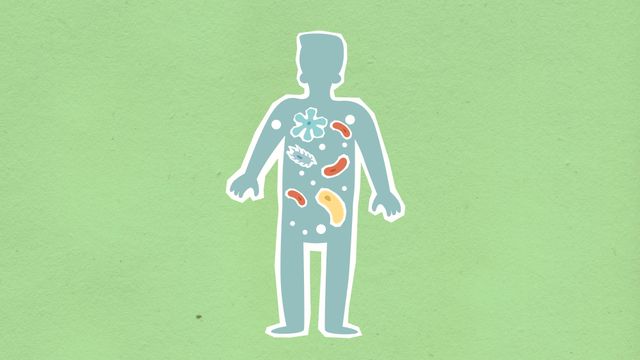
Exploring the interconnection of diet, digestive anatomy, and gut microbiome
Did you know a bacterial colony numbering in the trillions lives in your gut? We estimate that our gut bacteria are as numerous as our human cells. All other mammals have a gut microbiome.
In recent years, there has been a dramatic increase in microbiome research. In this article, we consider human anatomy compared to the anatomy of herbivores, such as the gorilla, and the influences of diet on the gut microbiome.
The Second Brain
Gut bacteria live in the large intestine and eat nutrients left over from the digestive process, and produce useful byproducts. The microbiome contributes to immune and brain function by producing hormones and neurotransmitters that influence appetite and behavior. The influence of gut bacteria is so great that the gut is sometimes called the “second brain.”
Is There a “Normal” Microbiome?
Laboratories that evaluate human gut bacteria use “normative data” to consider what is normal or abnormal. But where did the normative data originate? It’s an average of the gut microbiomes of 200 to 300 people who were not sick, not on medications, not obese, and had not changed their diet recently.
You might wonder what the diet of these “normal” people was like. They were not selected based on diet, so a “normal microbiome” is an average of people who eat a mainstream diet and haven’t gotten sick yet.
Ketogenic and low-carb high-fat diets have been studied, and these diets cause changes in the microbiome that promote health.
What Are Good Gut Bacteria?
This is a challenging issue to address, except to say that gut bacteria fall into these categories:
- Good: These are almost always beneficial. They’re usually in probiotic capsules, too. Lactobacillus and Bifidobacterium are the two most common genera here.
- “Frenemies” (a nod to Jerry Seinfeld) This applies to most gut bacteria. There is assumed to be a “good quantity,” but too much is a problem. They can be your friend or your enemy. Scientifically, this category would be called “opportunistic commensals” meaning that they’re usually present but can cause problems when given the chance to.
- Pathogens: These cause disease most of the time.
Plant Foods vs. Animal-Based Foods and the Gut
Reading internet search results paints a picture of plant-based foods being the only thing human gut bacteria can ferment, but there is significant evidence that this isn’t how it works.
Sausage for dinner
High-quality traditional sausage is made by mixing the ground meat with a bacterial starter culture composed mainly of Lactobacillus, Pediococcus, and Streptococcus. These organisms are also native to the human gut, so we know they can thrive by fermenting meat.
Our anatomy
Herbivores have gut structures that are evolved to ferment and digest plant-based foods, and humans (as well as bears) do not. All herbivores have an expanded foregut, or hindgut, where plant fermentation happens. Whether it’s a cow, a horse, a rabbit, or a gorilla, this is needed to be an herbivore.
Humans don’t have those features, and the gorilla has a vastly larger hindgut in proportion to his body size, which is required to ferment enough plant material to fuel his body. The gut of a healthy gorilla harbors a remarkable number of bacteria that are pathogenic to humans, testifying to how different their systems are from a human’s.
Our GI tract more closely resembles a dog, wolf, or bear than an herbivore like a cow or gorilla. We have several organs for digesting and absorbing fats and the stomach acid necessary to break down meat.
We have a colon, which primarily serves to reabsorb fluid from the gut's contents. Some fermentation can also occur there, allowing us to obtain nutrition from plant foods, but we are not designed to eat only these foods. The colon's volume is insufficient to ferment large amounts of plant material.
We do know that plant fiber feeds some beneficial species of gut bacteria, so the non-starchy vegetables in a Revero diet should do the trick.
So, a Steak or a Green Smoothie?
When you digest all of the available information, it’s obvious that humans lack both the anatomical features and microbiomes of herbivores, and we also know that beneficial gut bacteria can thrive on small amounts of plant fiber, meat and collagen.
Science may never catch up with the wisdom of the body, so if your body is functioning better on a low-carb ketogenic diet with fatty meat and non-starchy vegetables, you can be confident that your microbiome is improving too.
Start making real progress

Related

Tips and Habits For Better Sleep

The Effects of Shift Work on Circadian Rhythms, Sleep, and Diabetes