




Hypertension Explained
A review of hypertension
Almost half of United States adults, 48.1%, suffer from hypertension. Obesity affects nearly as many, as the CDC has stated that 41.9% of adults in the United States are obese, according to the National Health and Nutrition Examination Survey.
What about other conditions that result from insulin resistance and metabolic disease? Let’s take a look at these problems, starting with the basics.
Hypertension
Hypertension is a health issue with potentially dire consequences. Often symptomless, it's referred to as a 'silent killer.' Recognizing hypertension risk is crucial to ensuring proper treatment.
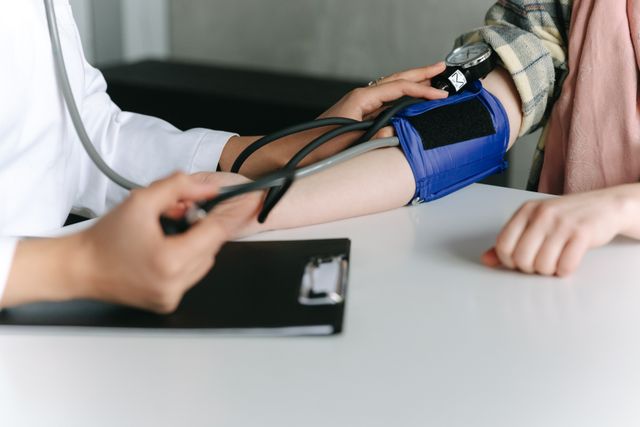
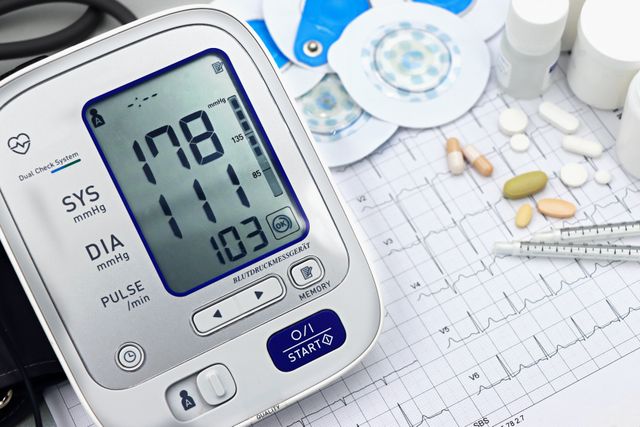
Elevated blood pressure is systolic ≥130 mm Hg and diastolic ≥80 mm Hg. Blood pressure is measured in millimeters of mercury (Hg). Systolic is arterial pressure during heartbeats and diastolic is the arterial pressure between heartbeats.
The heart propels blood through arteries, generating pressure to maintain circulation. Consistently elevated blood force against arterial walls is called hypertension, or elevated blood pressure. Blood pressure naturally varies during the day, influenced by factors like sitting, walking, eating, or strenuous exercise.
Hypertension is categorized into primary and secondary forms. Primary hypertension occurs without an identifiable underlying cause. In contrast, individuals with secondary hypertension have underlying conditions like thyroid and adrenal disorders, congenital heart anomalies, or kidney diseases.
Additionally, factors such as smoking, stress, and certain medications (both over-the-counter and prescription) can raise blood pressure.
Long-term hypertension can lead to severe health issues due to the damage it causes to arteries. Sustained high blood pressure can damage the endothelial lining of arteries, reducing blood flow to various body parts.
It can cause aortic aneurysms, which are potentially fatal bulges or ruptures in the aorta. It can also cause constricted coronary arteries, resulting in chest pain, arrhythmias, or heart attacks.
This condition also forces the heart to pump harder, causing enlargement of the heart, which reduces pumping efficiency. This can lead to heart failure.
Hypertension can affect the brain, causing transient ischemic attacks or strokes, and may lead to vascular dementia. It also damages the kidneys, leading to failure, and harms the retina, causing vision loss. Moreover, hypertension disrupts various bodily functions including sexual function.
The role of diet in hypertension
Elevated insulin inhibits sodium excretion at the kidneys, by making the kidneys reabsorb sodium. This results in a compensatory retention of water as well. The increased water retention causes an overall increase in blood volume, raising blood pressure.
Eating too many carbohydrates worsens insulin resistance and elevates insulin levels. This can progressively worsen if carbohydrate consumption continues.
Insulin normally causes a relaxation of arterial muscle walls. This is mediated by nitric oxide and results in a lowering of blood pressure after eating. However, researchers have identified that insulin resistance causes insulin to instead reduce the effect of nitric oxide, increasing vascular constriction and blood pressure.
Other studies also suggest an association between dietary carbohydrate consumption and hypertension. A 2020 meta-analysis published in the Public Library of Science Journal discovered that "diets with high levels of carbohydrates, especially refined or high glycemic index carbohydrates... appear to be associated with hypertension."
This analysis, based on randomized controlled trials with at least a 3-month follow-up post-diet commencement, found that individuals eating a low carbohydrate diet experienced a reduction in both systolic and diastolic blood pressure measurements.
Research indicates a connection between insulin resistance and hypertension. In a 2019 study, 154 participants, including 89 with type 2 diabetes, were instructed to follow a low-carbohydrate diet. Data collection occurred from March 2013 to November 2018, with regular follow-up assessments of blood sugar, insulin levels, and blood pressure.
Researchers observed that participants’ blood pressure improved as their blood sugar and insulin levels decreased, indicating reduced insulin resistance. The researchers suggest that the substantial effect on blood pressure results was partly due to lower insulin levels and enhanced insulin sensitivity.
Treatment options for hypertension
Hypertension is routinely treated with a low-sodium diet. Sodium causes water retention in the kidneys, so a low-sodium diet can lower blood pressure by causing systemic dehydration. However, the increased sodium retention is often the result of a high-carbohydrate diet.
When researchers compared low-sodium diets with very low-carbohydrate diets, they found that low-carb diets reduced blood pressure more effectively. They, and also resulted in better glycemic control and body composition.
Medications are the most common medical treatment for hypertension. These are discussed below.
Hypertension medication options:
Angiotensin-converting enzyme (ACE) inhibitors relax blood vessels and reduce the production of angiotensin II, a hormone that constricts blood vessels. Common examples include lisinopril, enalapril, and ramipril.
Side effects include cough, low blood pressure, dizziness, elevated blood potassium level, kidney dysfunction, and angioedema (a rare, serious swelling of the deep skin layers).
Angiotensin II receptor blockers (ARBs) function similarly to ACE inhibitors but use a different cell receptor. Common examples include losartan, valsartan, and irbesartan. The side effects are similar to ACE inhibitors, but the risk of cough or angioedema is lower.
Calcium channel blockers reduce how easily calcium enters the muscle cells of your heart and arteries. This prevents arteries from constricting. Examples include amlodipine, nifedipine, diltiazem, and verapamil.
Side effects include constipation, dizziness, fatigue, headaches, flushing, and swelling of ankles and legs (peripheral edema).
Diuretics, often called “water pills,” cause a functional dehydration by making your kidneys release sodium and water. Common diuretics include thiazide diuretics (hydrochlorothiazide, loop diuretics (furosemide), and potassium-sparing diuretics (spironolactone).
Side effects include frequent urination, dehydration, low potassium levels, dizziness, and muscle cramps.
Beta-blockers reduce blood pressure by blocking the effects of the hormone adrenaline (epinephrine) on the heart and blood vessels. This slows heart rate and decreases the force of heart contractions. Examples include metoprolol, atenolol, and propranolol.
Common side effects include fatigue, cold extremities, slow heart rate, impotence, insomnia, and depression.
Alpha-blockers relax the muscle tone in the walls of arteries to reduce the resistance to flow. Examples include doxazosin and prazosin. Side effects include dizziness, fatigue, low blood pressure, impotence, and slow heart rate.
Alpha-2 receptor agonists: These medications work in the brain to reduce nerve signals that increase heart rate and constrict blood vessels. Examples include clonidine and methyldopa. Side effects include drowsiness, dry mouth, constipation, dizziness, low blood pressure, and fatigue.
Combined alpha and beta blockers block both alpha and beta receptors, which can reduce heart rate and relax blood vessels. Examples include carvedilol and labetalol. Side effects include dizziness, fatigue, low blood pressure, impotence, and slow heart rate.
Vasodilators directly relax and widen blood vessels, reducing blood pressure. Examples include Hydralazine and minoxidil. Common side effects include headache, fluid retention, rapid heartbeat (tachycardia), dizziness, and flushing.
Renin-inhibitors: Aliskiren is an example of a medication that inhibits the enzyme renin, which is involved in regulating blood pressure. Side effects include diarrhea, elevated potassium levels (hyperkalemia), low blood pressure, and fatigue.
Revero targets the root cause of hypertension by using a low-carbohydrate diet to treat insulin resistance. Elevated insulin levels cause the kidneys to retain sodium and water. Consuming less carbohydrates reduces insulin levels, helping to restore insulin sensitivity.
Treating insulin resistance and restoring insulin sensitivity results in the release of retained fluid, lowering blood pressure. This approach helps reduce high blood pressure sustainably without medication side effects.
The importance of medical supervision for treating hypertension
Restoring insulin sensitivity results in insulin levels dropping in a matter of days. This has a powerful effect on lowering blood pressure. If a patient is also taking prescription medication to lower their blood pressure, the result can be dangerously low blood pressure, increasing the risk of loss of consciousness or falling.
For these reasons, it is critically important that these powerful dietary interventions be implemented with medical supervision. Tracking blood pressure and related symptoms such as a light-headed feeling allows a supervising medical provider to see the need for medication adjustments. This prevents episodes of low blood pressure and keeps patients safe.
Revero’s innovative model of remote care provides patients with continuous support from health coaches and medical providers. They monitor patients’ biomarkers like weight and blood pressure and make ongoing recommendations for medication reduction.
Start making real progress

Related

Oxalate Problems, and What Foods Have High or Low Oxalates?
A Comparison of Cow and Human Digestive Tract Anatomy