







Let’s Talk About Vegetables and Fruits
Why are some fruits or vegetables permitted on Revero, while others are not?
The Revero low-carbohydrate diet permits up to four servings of non-starchy, low-carb vegetables and up to one cup of berries each day. Your personalized diet may require that certain foods be avoided and reintroduced according to your unique demographics, biomarkers, and health conditions.
Vegetables
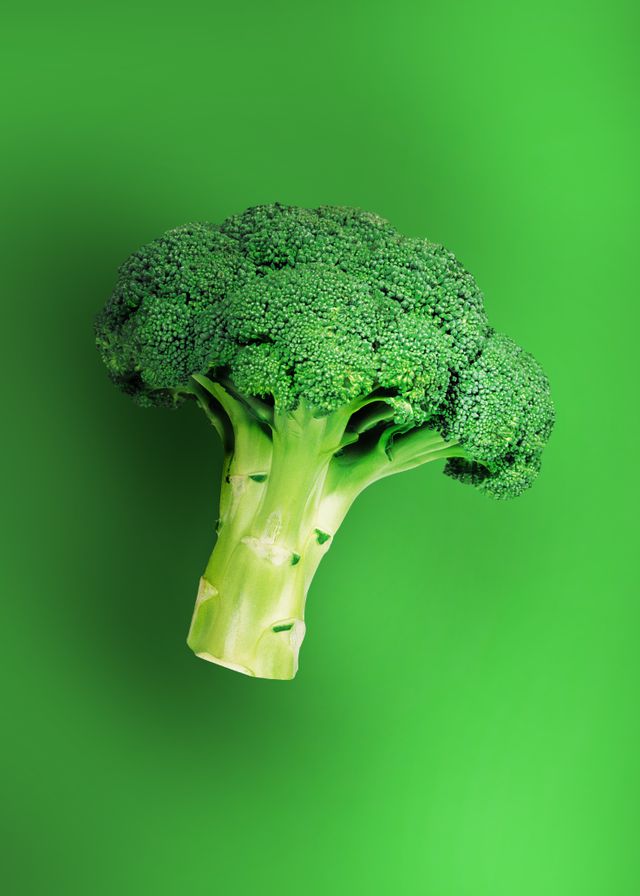
Vegetables that grow above ground, like green leafy vegetables, are good low-carb options. These include lettuce, cabbage, spinach, chard, celery, cucumbers, zucchini, asparagus, hot and sweet peppers, broccoli, Brussels sprouts, bell peppers, cauliflower, mushrooms, tomatoes, and green beans. Generally, green vegetables are lower in carbs than colored vegetables.
Vegetables growing below ground are higher in carbohydrates than above-ground vegetables and are not on the diet plan. Beets, sweet potatoes, yams, rutabagas, parsnips, cassava (yucca), beetroot, and potatoes are examples of high-carb vegetables and are not part of a low-carb diet. Even though corn, peas, and artichokes grow above ground, they are not low-carb either.
Certain health conditions will warrant removing particular vegetables from a Revero diet. For example, nightshades such as tomatoes, peppers, and potatoes (also high-carb) can often cause autoimmune conditions to flare. Your personalized diet will address these needs, and dietary recommendations will be provided in the app.
Frozen Vegetables
For those who end up tossing out fresh vegetables, frozen produce is a more economical alternative. Frozen produce is fresh produce harvested when ripe, blanched, and flash-frozen within a few hours of being picked. Vitamin retention in some produce may be the same or even higher in frozen produce compared to its fresh counterpart.
Animal protein-rich meals can be accompanied by a side or two of low-carb vegetables, whether fresh or frozen. Always read labels to avoid frozen vegetables with seasonings because such seasonings often contain sugar and preservatives.
Jarred or Canned Vegetables
Vegetables in glass jars are a good alternative to canned vegetables, as many cans are lined with plastic that can leach into the vegetables. Glass is tasteless and resistant to salts and acids commonly used in the food industry, and the jars can be easily cleaned and reused.
Canned or jarred low-carb veggies are mushrooms, green beans, spinach, tomatoes, and asparagus.
Olives are technically a fruit, and capers are dried flower buds, but small servings of olives, capers, and pickles, often jarred, provide good low-carb options to add salty flavor and variety to food prep.
Most olives, capers, and pickles are pickled in a saltwater brine. Always read labels because these products sometimes contain preservatives and sugar. If so, find another brand or avoid these items.
Vegetables and Fat
For better satiety, increase fat intake by adding fat to vegetables. For example, hot vegetables can be served with butter melted on top. Sautéing or roasting low-carb vegetables in tallow, lard, butter, or ghee is another healthy fat-boosting option.
Adding heavy whipping cream to a sauce is another method to make cooked vegetables more satiating. Healthy oils, such as olive oil, macadamia nut oil, and avocado oil, make a nice vinaigrette dressing for a small salad.
Fruits
Berries are some of the lowest-carbohydrate fruits available and have been shown to help improve metabolic syndrome. Non-berry fruits are not recommended for a low-carb diet because their sugar content, especially fructose, is high.
Some estimates claim that 40% of people worldwide have fructose intolerance, which means they can’t digest the sugar. This causes digestive symptoms like gas, cramping, and bloating. Fructose is also suspected to promote weight gain, liver inflammation, and non-alcoholic fatty liver disease (NAFLD).
Up to one cup of fresh or frozen raspberries, blackberries, blueberries, and strawberries is allowed each day.
Organic Versus Conventional Produce
Organically grown produce does not necessarily mean pesticide-free. Some pesticides are used in organic farming, although fewer synthetic chemicals are used than in conventional farming methods. When possible, choose to buy local for fresher produce that ripens on the vine or tree. Farmers' markets are popular and allow the consumer to ask the farmer how the produce is grown.
Produce in the grocery store is often picked weeks before it makes it to the store and sprayed or dipped in substances to prevent the produce from decaying—essentially, it extends shelf life. By buying in season and locally, you avoid these substances.
All produce, whether conventionally or organically grown, should thoroughly be washed first, then peeled to remove the skin where the pesticides are sprayed.
Start making real progress

Related

Why Is My Morning Glucose High?

Take Advantage of the Biologic Basis for Behaviors