






Tips and Habits For Better Sleep

Habits you can form to help your body receive the quality sleep it needs night after night.
One of the foundations of good health and resilience is good sleep. To wake up full of energy, you have to sleep well. Continually failing to get good rest night after night can result in serious health problems such as slow reaction time, inability to think, poor work performance, weight gain, hormonal imbalances, and depression.
So how can you ensure you get quality sleep? Cracking the sleep code isn't easy, but with a low-carb diet and a few extra action steps, you can improve your sleep and build healthy habits that last a lifetime.
Habits For Better Sleep
The very first part of building better sleep hygiene is to be consistent about what time you go to bed. It doesn’t matter if your Netflix show left you hanging, if it’s time for bed you must go to bed. The same consistency should apply to your waking time for best results. These two items can help rebuild your circadian rhythms and restore quality sleep.
Unplugging From Tech
We have all become very accustomed to our tech devices being constant companions, often more so than even a spouse or best friend. When it’s time to sleep, though, our electronic devices emit high-intensity blue light that can trick your body into thinking it is daylight.
Your eyes tell your brain that it is still daylight, even if the sun had set hours ago. This miscommunication prevents melatonin, a hormone your body needs for sleep, from being produced and can inhibit the quantity of sleep you receive. Here are some action steps you can take:
- Audit your evening device exposure, from television to watching video clips on your phone.
- Stop doing any of these things one hour before your bedtime. Set an alarm as a reminder.
- Change your device settings to a “night mode” that is both less bright and shifts the color spectrum to make it warmer. Alternatively, you can use blue-blocker glasses.
- Don’t charge your phone on your nightstand next to your head.
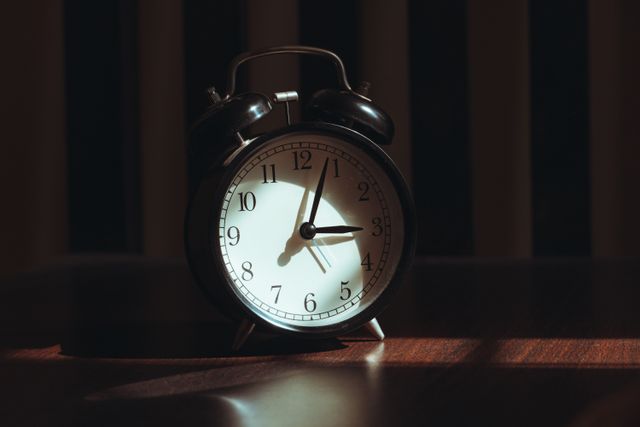
- Get an “old-school” alarm clock so you don’t need your phone for it, or just get out of bed when the phone alarm goes off in the morning.
Limit Evening Exercise
Exercise has been linked to better sleep quality; however, what time of the day you exercise matters. Since exercise boosts your temperature and can release endorphins or stress hormones, it’s usually not a good idea to exercise right before bedtime. Give your body a few hours to wind down after a hard workout, before expecting to sleep well.
Help Your Body Release Stress
We can become quite tense through the course of a day, and it’s hard to get quality sleep in that condition. Help your body to relax before bedtime.
- A hot shower can help.
- A few minutes of mindfulness and journaling
- Do a relaxing and short yoga session or just some gentle stretching.
- Engage in deep breathing exercises to bring your heart rate down.
- Read a book.
Say No To Afternoon Caffeine
Caffeine can remain in your body for some time. That means if you had an afternoon pick-me-up cup of coffee at 3 PM, your body may not have metabolized all of it by 8 PM. If you struggle to fall asleep, avoid coffee and tea in the afternoon.
Also make sure you hydrate enough, but not too much, before bedtime. Drinking too much water can result in one or more bathroom trips which interrupt sleep.
Turn Down the Thermostat
Research shows that keeping your bedroom cool can help you sleep better. According to scientists, 65 degrees Fahrenheit, or 18 degrees Celsius, is the perfect temperature. While it might seem a bit cold, having a lower body temperature helps initiate sleep.
Use the Right Pillow
The right pillow will be a treasured sleeping aid, and the wrong pillow will fight you all night. If you snore or have sleep apnea, consider a pillow that helps you tilt your head back slightly, as this opens your airway.
Flatter pillows work well for stomach sleeping, and contoured pillows that are thicker work better for side sleeping. If you sleep on your back, a contoured neck support pillow or memory foam pillow can help you get more comfortable.
Earplugs can help if your household or neighborhood is loud, or if your partner snores. Blackout curtains can minimize streetlight intrusion and help you have a darker sleeping environment.
Wind-Down With Some Tunes
Calming music or sounds can help your body wind down and help initiate sleep. If you struggle to fall asleep, try creating a "wind-down" playlist, or invest in a sound machine with calming noises such as falling rain or ocean waves.
Better Sleep Is Possible
Getting the right amount and quality of sleep is essential for your health. Though many of us have occasional nights of less-than-stellar sleep, continuous poor sleep can cause many health issues. Good sleep hygiene and avoiding caffeine late in the day can help.
When you work at all of these elements of your sleep hygiene, you’ll find yourself looking forward to sleep, while waking with better energy!
Start making real progress

Related
The Effects of Shift Work on Circadian Rhythms, Sleep, and Diabetes
Hypertension Explained