






Guide to Diabetes Self-Care and Medical Care
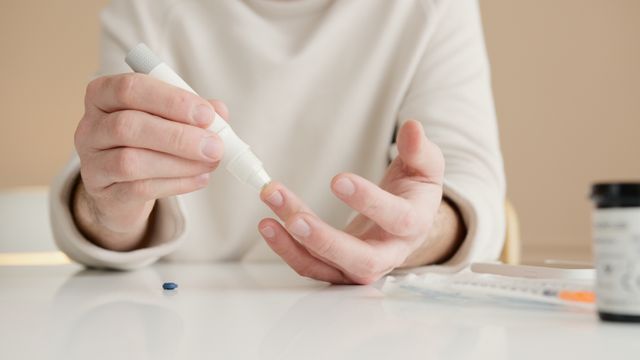
Tending to the specific needs of diabetic folks
This guide reviews some concepts about screening and care issues for diabetic patients. It is intended for the patient, the Revero provider, or a patient’s primary care provider. Diabetics have a few special needs to address related to how the disease affects the body and how to catch problems before they become bigger. This information isn’t specific to Revero but to diabetic care in general.
Topics Covered:
- Eyes: retinal exams
- Teeth: better dental hygiene, cleanings, and exams
- Feet: Preventive care and routine maintenance needs
- Vaccines
Retinal Screenings
Why this is important: Diabetes is known to damage the blood vessels in the retina of the eye. The retina is where all the nerve endings are, and it translates light into nerve impulses sent to the brain.
Screening for retinopathy is important because damage can progress and become irreversible before the patient notices the loss.
Screenings are recommended annually, and the procedure requires dilating the pupils to allow a full view of the retina. If you’re reading this as a patient, you may need a ride home from the appointment or enough time to wait until your vision returns to normal.
Taking Care of Teeth and Gums
Why this is important: Because diabetes is a condition that elevates blood sugar and damages small blood vessels, it promotes tooth decay and gingivitis. Staying ahead of problems with proper oral hygiene and exams can catch small problems before they become big ones!
Self-care:
- Brush your teeth at least twice per day using a soft-bristled toothbrush.
- Floss after eating.
- Clean your dentures daily.
- Don’t smoke, as it makes the risk of oral disease far greater.
Dental/Oral care:
- It’s recommended to have oral exams and cleanings twice per year.
Feet: Preventive Maintenance Guide
Why this is important: Many diabetic patients experience major issues with their feet because of changes to nerve and circulatory function. Some of these problems are simply due to the lack of feeling that happens when the nerve endings die during peripheral neuropathy, and some are caused by the resultant infections or damage that can occur when your feet are numb.
Check your feet daily, looking for cuts, abrasions, or objects like glass, thorns, or thumbtacks stuck in your foot. Look for redness or swelling that may suggest infection. Take note of any blisters or torn calluses, as these can quickly become infected.
If you’re not flexible enough, use a mirror, or set a cell phone or tablet on the floor in “selfie mode” as a digital mirror that records video.
Foot hygiene: Give your feet a daily wash. Feet are often neglected and under-appreciated, but if you’re diabetic, you can’t afford to do that. Get to know your feet and do your best to care for them—it’s harder to remain independent without a foot.
Wear shoes that fit: This may sound obvious, but if you can’t feel your feet well, a tight-fitting shoe or one that is far too loose can result in blisters and infections quite quickly. There are special shoes and insoles designed to help, but the first step is making sure they fit properly.
- Don’t go barefoot, as you won’t be able to tell if you’re stepping on sharp or hot objects.
- Always check bath or heating pad temperatures with your hand or cheek, not your feet.
- Smoking makes peripheral neuropathy worse; quit smoking.
- Do not let a salon do your cuticles, as the risk of infection is far higher when you’re diabetic.
- Don’t do DIY foot surgery for ingrown nails or other issues; ask for a podiatrist’s help.
Routine checkups for feet: Regular foot checkups are important to see how things are going and monitor foot health. A doctor can also measure blood flow more easily to determine the extent of circulatory loss.
- Feet should be visually inspected, top and bottom, at each office visit.
- A comprehensive annual foot exam with sensory and circulatory testing should be completed.
Vaccinations
Why this is important: According to the American Diabetes Association and the CDC, diabetics are also at increased risk for other problems, such as infections. Discuss the following vaccination schedules with your primary care provider.
- Annual flu shots
- Every ten years, tetanus/diphtheria/pertussis booster shot
- Pneumococcal pneumonia shot
- Hepatitis B
Start making real progress

Related

Cravings Before Your Menstrual Cycle

Artificial Sweeteners and Sugar Alcohols