







Understanding Fasting Blood Sugar
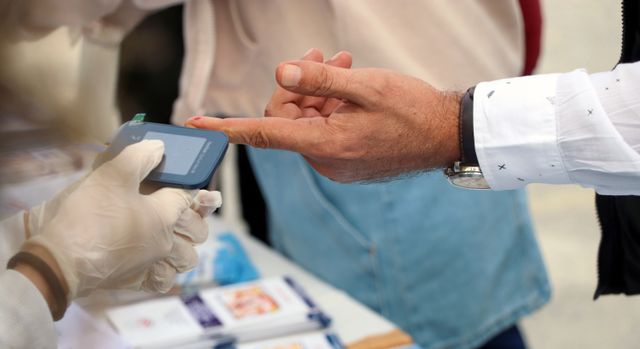
Using your fasting blood sugar as a dietary indicator
As you are likely aware, blood sugar measurements indicate how much sugar (glucose) is in your bloodstream and not being used by your cells. If your blood sugar levels are higher than normal, it’s a sign that you’ve developed insulin resistance or even diabetes.
But there's more to blood sugar levels than meets the eye! Let's take a closer look at the fasting blood sugar test, so you understand the numbers and recognize when it's important to test or adjust your diet.
What Does a Blood Sugar Measurement Tell You?
If you have type 2 diabetes, you’ll be testing your blood sugar regularly, providing Revero with data about how your body manages your blood glucose levels in different situations.
If you don’t have type 2 diabetes, the concepts still apply, though you won’t be required to check your blood sugar regularly. The Revero blood sugar monitor device only requires a quick finger prick to get results, and they’re uploaded automatically.
Your blood sugar test results depend on several factors. Right after eating, it’s possible for your blood sugar to be slightly elevated. Medications and exercise can also result in higher values. Just because your blood sugar level test returned an elevated value doesn’t mean that you’ve developed insulin resistance or diabetes. If it’s a consistent pattern, then yes, it’s possible.
It's common to sometimes do a fasting blood sugar test. You should do this 12 hours after you eat your last meal. Many people test their fasting levels first thing in the morning since you cannot eat or drink anything except water during these fasting hours.
Of course, you can also test your blood sugar right after eating, to see how high it goes then. These are sometimes called random plasma glucose tests, which help your provider monitor how well you manage your diabetes.
What Should My Blood Glucose Level Be?
We usually consider readings between 70-100 mg per deciliter (mg/dL) to be normal. If the reading is between 100 mg/dL to 125 mg/dL it may indicate prediabetes. The Revero Method is designed to treat prediabetes and type 2 diabetes by improving insulin sensitivity through a low-carbohydrate diet.
Fasting blood glucose levels of 126 mg/dL or higher on more than one test may prompt your provider to order more tests to get a bigger picture of your overall health and evaluate for type 2 diabetes.
Diabetes increases your risks of heart disease, stroke, high blood pressure, and narrowing of blood vessels (atherosclerosis), and it also causes damage to nerves and kidneys. The good news is a low carbohydrate diet can control your fasting blood sugar, often without any medication.
How Does Ketosis Relate to Blood Sugar Level?
If you’re in a state of ketosis, your body and brain rely on ketones more than glucose for fuel. This has the effect of stabilizing your blood sugar, though it may remain very slightly elevated.
During a state of ketosis, it is possible for your blood sugar to sometimes be a little over 100 and still not be diabetic, and not suffer any of the problems caused by high glucose levels. Ketosis, to a degree, protects your body from the effects of elevated glucose.
You will be testing your ketones every day using the test strips that came in your starter kit. This helps you and your care team monitor your state of ketosis and understand what your body is using for fuel.
Reasons Why Fasting Blood Sugar Gets High
There are several reasons that your fasting blood sugar may seem high:
- Carbohydrates are one of the common reasons. If your morning fasting glucose is elevated, you may need to reduce the carbohydrates you eat with dinner. Also make sure that you haven’t accidentally eaten over 30 grams of carbs the previous day. Lastly, try to eat dinner a little earlier, and avoid snacking afterward.
- Protein Are you eating the recommended amount of protein every day? Because protein promotes satiety, undereating protein could promote overeating. Double check your portion sizes with your food scale now and then to make sure.
- Alcohol must be oxidized before the liver can metabolize any other nutrients, which can alter metabolism. Consuming alcohol can also make it easier to slip and eat some carbohydrates you otherwise would have avoided.
- Reduced glucose need - When you are fat-adapted or keto-adapted, your brain and body don’t really need much glucose. But your body may still boost your morning glucose as part of your circadian rhythms. As you’re not burning much of it, this can make your levels look a little elevated.
- Loss of sleep - Being fatigued makes it harder for your body to use insulin efficiently. When that happens, your glucose readings may be high. Making sleep a priority, practicing good sleep hygiene, and being consistent with it can really help your success.
Action Steps:
- Double-check your carbohydrate consumption, particularly for the last meal of your day.
- Don’t snack on any carbohydrates after dinner and before bed.
- Verify that you are following your protein recommendations. Weigh your portions for a day or two to make sure they haven’t crept up or down.
- Take a stroll or do some light yoga after dinner.
- Eat less carbs with breakfast if your morning fasting glucose is a little elevated.
- Drink enough water, and make sure you get your 5 grams of salt daily unless you’ve been instructed otherwise.
- Test your blood glucose after consuming a meal.
- Keep track of the trend of your A1c every time it is checked.
- Make getting your 7-8 hours of sleep a priority.
- Stay in touch with your health coach and keep them posted on what you’re working with and how you’re doing with it.
Start making real progress

Related

Saturated Fat & LDL Cholesterol: Good or Bad? It Depends on This
How Gut Microbes Thrive on a Low-Carb Diet
