







Understanding Carbohydrate Tolerance and Insulin Resistance
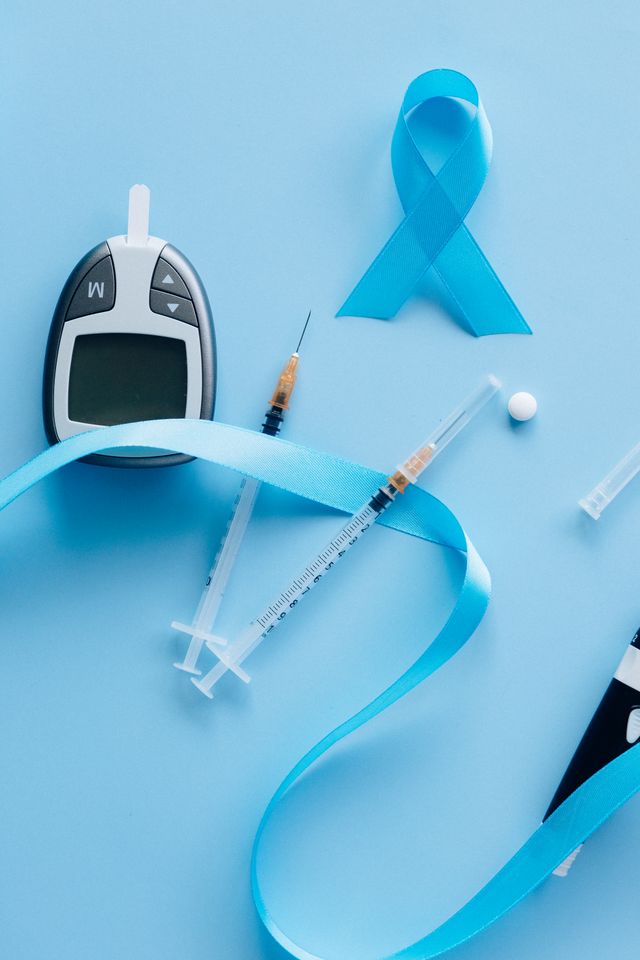
Working through the variables that influence carbohydrate metabolism
Do you want to understand more about why a low-carbohydrate diet works well? This article will show you several different versions of carbohydrate issues, what each implies, and how Revero addresses them.
Nutritional Ketosis and Its Benefits
When you limit your carbohydrate intake to below 30 grams per day, and eat the recommended amount of dietary fat, your body will not only be burning fat for energy, but also converting some of that fat into ketone bodies. These also get used for energy, and provide additional health benefits.
Ketosis can provide many health benefits:
- Reduced water retention, lowering blood pressure
- Protect against heart disease
- Protect nerve cells, inhibiting neurodegenerative diseases like Parkinson’s or Alzheimer’s
- Improve gut health
- Heal metabolic health conditions like type 2 diabetes
Carbohydrate Tolerance and Insulin Resistance
A person’s carbohydrate tolerance is the amount of carbohydrate that they can eat every day without overwhelming their system and developing insulin resistance. This tolerance level varies from one person to the next. Remember that all carbohydrates, including starches or digestible fiber as well as sugar, count toward this personal carbohydrate tolerance.
Carbohydrate tolerance is inversely proportional to insulin resistance. If you are more insulin resistant, you’re less able to tolerate carbohydrates without elevations in blood glucose.
When you eat more carbohydrates than your muscles can use, your body must store the rest, using insulin. If your body doesn’t respond well to insulin (known as insulin resistance) then your blood sugar will end up elevated. This problem may start at a very small level and get worse over time, so the carbs you could tolerate earlier in life may cause high blood glucose now.
Insulin sensitivity is also very individual. If two people consume a meal with 100 grams of carbohydrates, one of them may easily store that energy while the other may find their blood glucose very elevated.
Insulin sensitivity is made worse by infections or inflammation, resulting in a worsening blood glucose level for the same amount of carbohydrates.
Insulin sensitivity also is known to get worse with aging, making people more susceptible to metabolic disease later in life. Insulin sensitivity or insulin resistance occur on a spectrum, with some people having only traces, or early signs, of problems while in others it can completely ruin metabolic function.
The effect of aging (or time) on insulin sensitivity means that we cannot always depend on our body’s ability to safely metabolize the same amount of carbohydrates as we age. Perhaps you can remember consuming a large milkshake or banana split with no ill effects whatsoever, but our bodies aren’t the same from one year to the next.
Eating a high-carbohydrate diet, or eating carbohydrates over the personal carbohydrate tolerance level, results in elevated insulin levels, promoting insulin resistance. This way of eating prevents the body from using carbohydrates and blood sugar efficiently.
As the body’s cells can no longer effectively respond to insulin and store the energy from glucose, type 2 diabetes can develop as blood glucose accumulates.
Because people have different abilities to tolerate carbohydrates, some are more susceptible to insulin resistance and type 2 diabetes than others.
Your pancreas must produce insulin when you eat carbohydrates so that the body will store the extra glucose released during digestion. If you eat carbohydrates over your tolerance, your insulin can get too high and promote insulin resistance.
Revero addresses these issues by reducing carbohydrate intake to low-carb ketogenic levels of 30 grams per day. When paired with the food choices discussed in the Resources tab of your app, this allows you to make delicious food while being assured that you’re under your carbohydrate tolerance level.
Start making real progress

Related

Understanding Cholesterol, LDL, HDL, and Triglycerides on a Low-Carb Diet

About Intermittent Fasting